

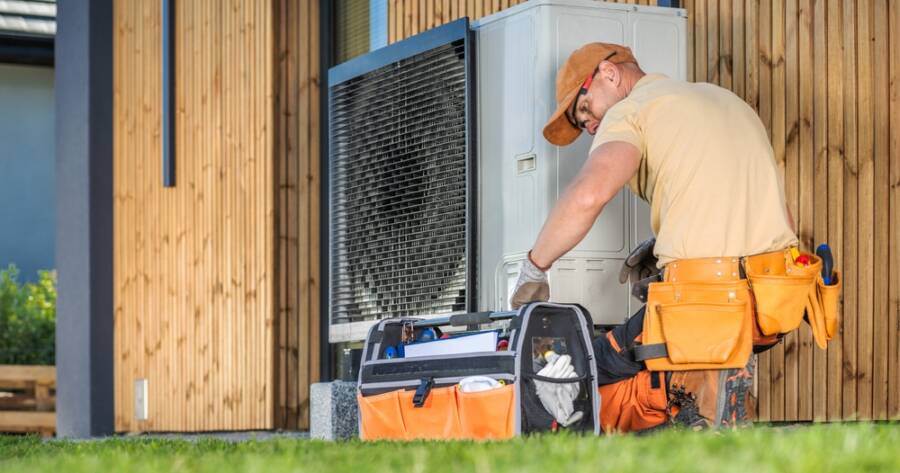
The HVAC industry is rapidly expanding, driven by the demand for energy-efficient systems and skilled professionals. Offering diverse career paths from technical roles to sales, the HVAC field presents opportunities for growth and advancement. With a positive job outlook and a focus on sustainability, HVAC careers are increasingly appealing to those seeking stability and innovation.
Exploring the Growing Opportunities in HVAC Jobs
The HVAC (Heating, Ventilation, and Air Conditioning) industry is experiencing significant growth, offering a wide range of job opportunities across various sectors. This expansion is driven by the increasing demand for energy-efficient systems and the need for skilled professionals to install, maintain, and repair these systems.
The HVAC/R (Refrigeration) industry provides numerous career paths for individuals with different skill levels, from entry-level to advanced positions, making it an attractive field for job seekers (source).
Diverse Career Paths in HVAC
The HVAC industry offers a variety of roles, including technical positions such as HVAC Technicians, Installers, and Engineers. These professionals are responsible for working on systems that control temperature and air quality in various settings, including homes, schools, and hospitals. The work often involves installation and repair tasks in diverse environments, which can include cramped spaces and extreme temperatures (source).
In addition to technical roles, the HVAC industry also provides opportunities in sales and customer service, with positions like Sales & Marketing Managers and Customer Sales Representatives. These roles focus on building relationships with customers and increasing sales within assigned territories (source).
Training and Education Requirements
To become a heating, air conditioning, or refrigeration mechanic and installer, individuals typically need a postsecondary nondegree award. However, some may enter the field with less formal education.
On-the-job training is crucial for gaining competency, and workers may also need to obtain licenses or certifications. The skills acquired in HVAC training, such as electrical work, plumbing basics, and mechanical systems, are transferable to other trades, providing a foundation for careers in fields like building maintenance and renewable energy (source).
Job Outlook and Earning Potential
The job outlook for heating, air conditioning, and refrigeration mechanics and installers is positive, with an expected growth rate of 8% from 2024 to 2034 (source). This growth is much faster than the average for all occupations, indicating strong demand for skilled workers in this field.
The median annual wage for these professionals was $59,810 as of May 2024, reflecting the earning potential for those in the field, which can vary based on experience, location, and specific job duties (source).
Green Jobs and Sustainability in HVAC
Green jobs in the HVAC/R industry are becoming increasingly important, with many roles incorporating activities related to energy conservation, alternative energy development, pollution reduction, and recycling.
The U.S. Department of Labor’s Occupational Information Network (O*NET) defines green careers as those affected by these activities, and HVAC/R occupations are recognized for applying green practices regularly. This focus on sustainability not only benefits the environment but also enhances the appeal of HVAC careers to environmentally conscious job seekers (source).
Why You Should Learn More About HVAC Jobs Today
The HVAC industry offers a wealth of opportunities for those interested in a stable and rewarding career. With the industry’s growth and the increasing demand for energy-efficient systems, HVAC jobs provide a promising future for skilled professionals.
Whether interested in technical roles, sales, or management, the HVAC field offers diverse career paths and the potential for career advancement. As the industry continues to evolve, staying informed about the latest trends and opportunities in HVAC can help individuals make informed career decisions and capitalize on the growing demand for HVAC professionals.